Are you confused about when to use hyphens or dashes in your writing? Don’t worry, you’re not alone! Many people struggle with the differences between these two punctuation marks. In this article, we’ll break down the rules for using hyphens and dashes correctly.
Hyphens are used to connect words or parts of words. For example, “well-known” and “self-esteem” are both hyphenated words. Dashes, on the other hand, are used to separate phrases or to indicate a sudden break in thought – like this.
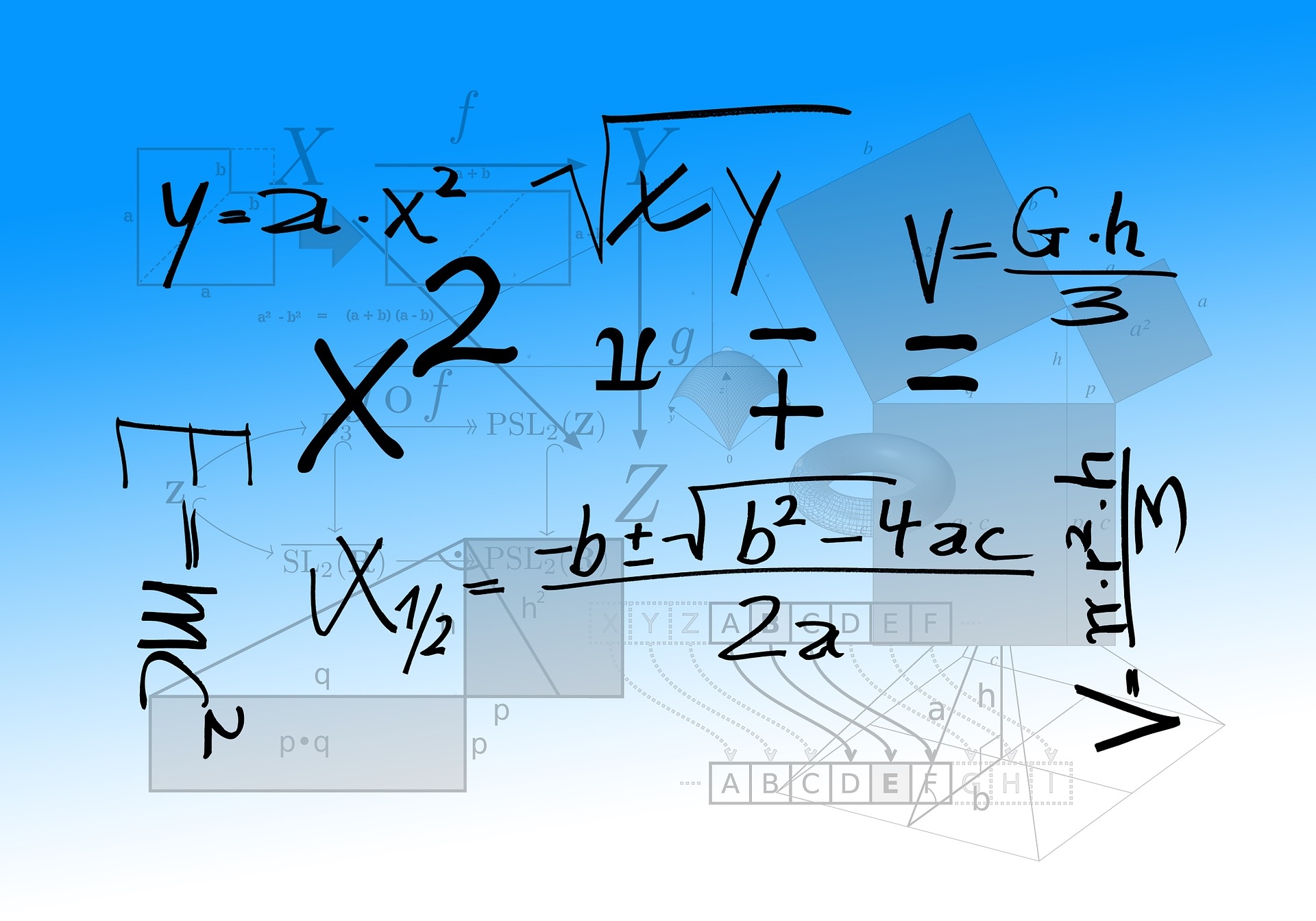
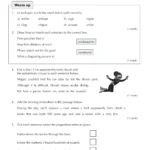
Hyphens And Dashes Weekly Grammar Worksheet
Hyphens And Dashes Weekly Grammar Worksheet
To use hyphens correctly, remember that they should be used in compound adjectives before a noun. For example, “a well-known author” or “a high-speed chase.” Dashes, however, can be used to set off non-essential information – like this – in a sentence.
It’s important to note that hyphens and dashes are not interchangeable. Hyphens are shorter and are used to connect words, while dashes are longer and are used to separate phrases. Understanding the differences between the two can help improve the clarity and flow of your writing.
Practice using hyphens and dashes in your writing to become more comfortable with them. By incorporating them correctly, you can enhance the readability and professionalism of your work. Remember, practice makes perfect, so don’t be afraid to experiment with these punctuation marks in your writing!
Next time you’re writing, pay attention to where hyphens and dashes could enhance your sentences. By mastering the use of these punctuation marks, you can take your writing to the next level. Keep practicing, and soon you’ll be a hyphen and dash pro!
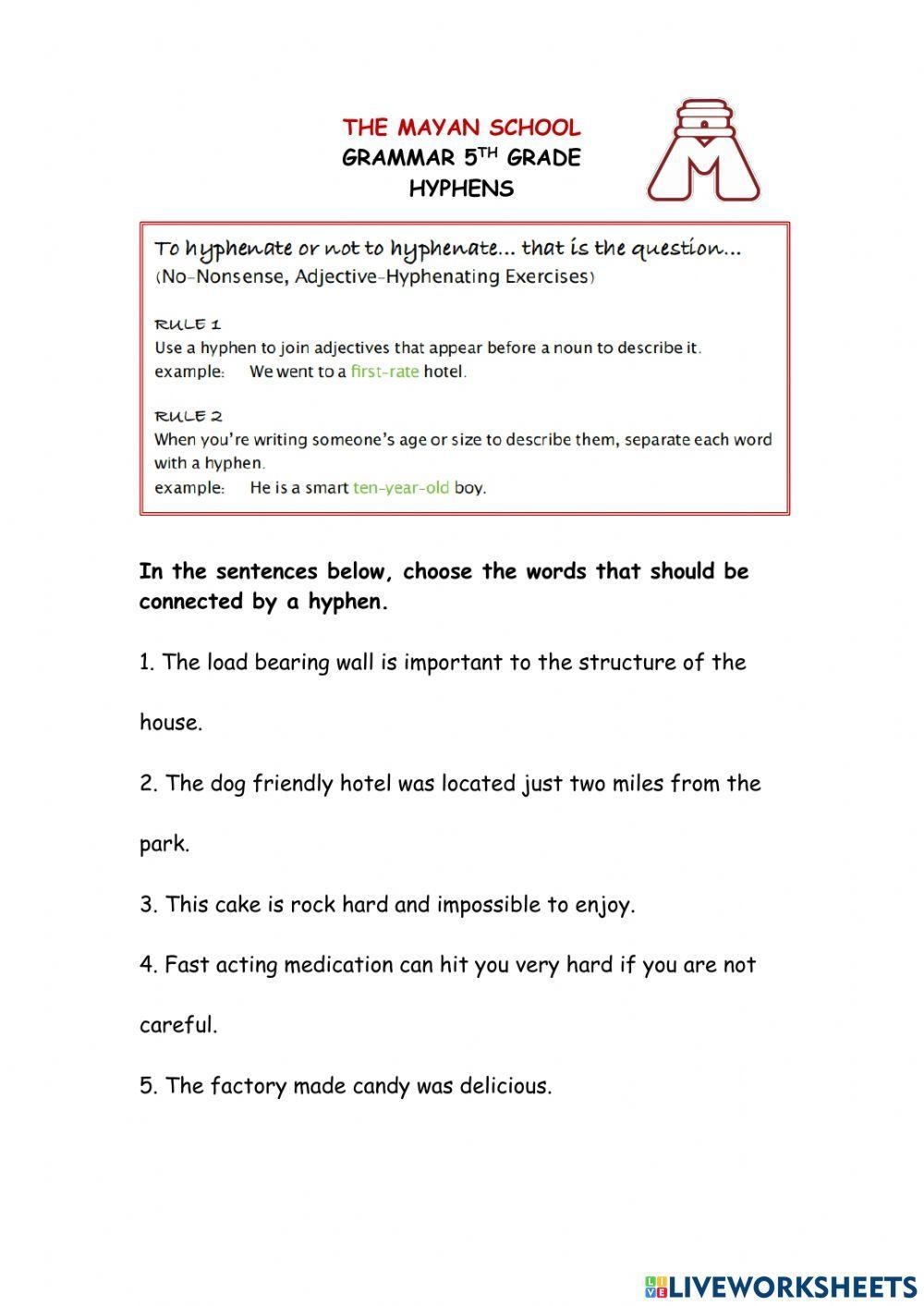
Hyphens Free Interactive Worksheets 973101
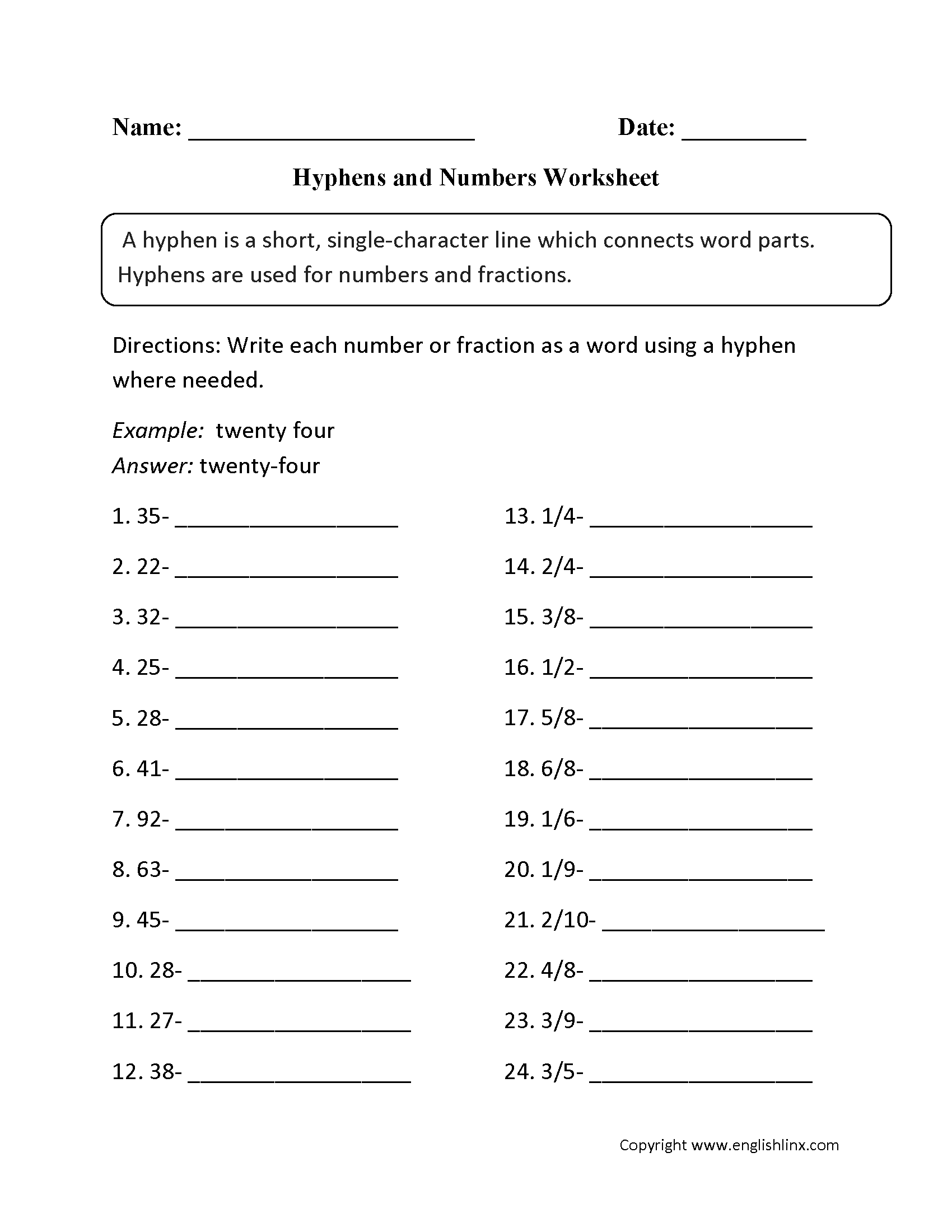
Punctuation Worksheets Hyphen Worksheets
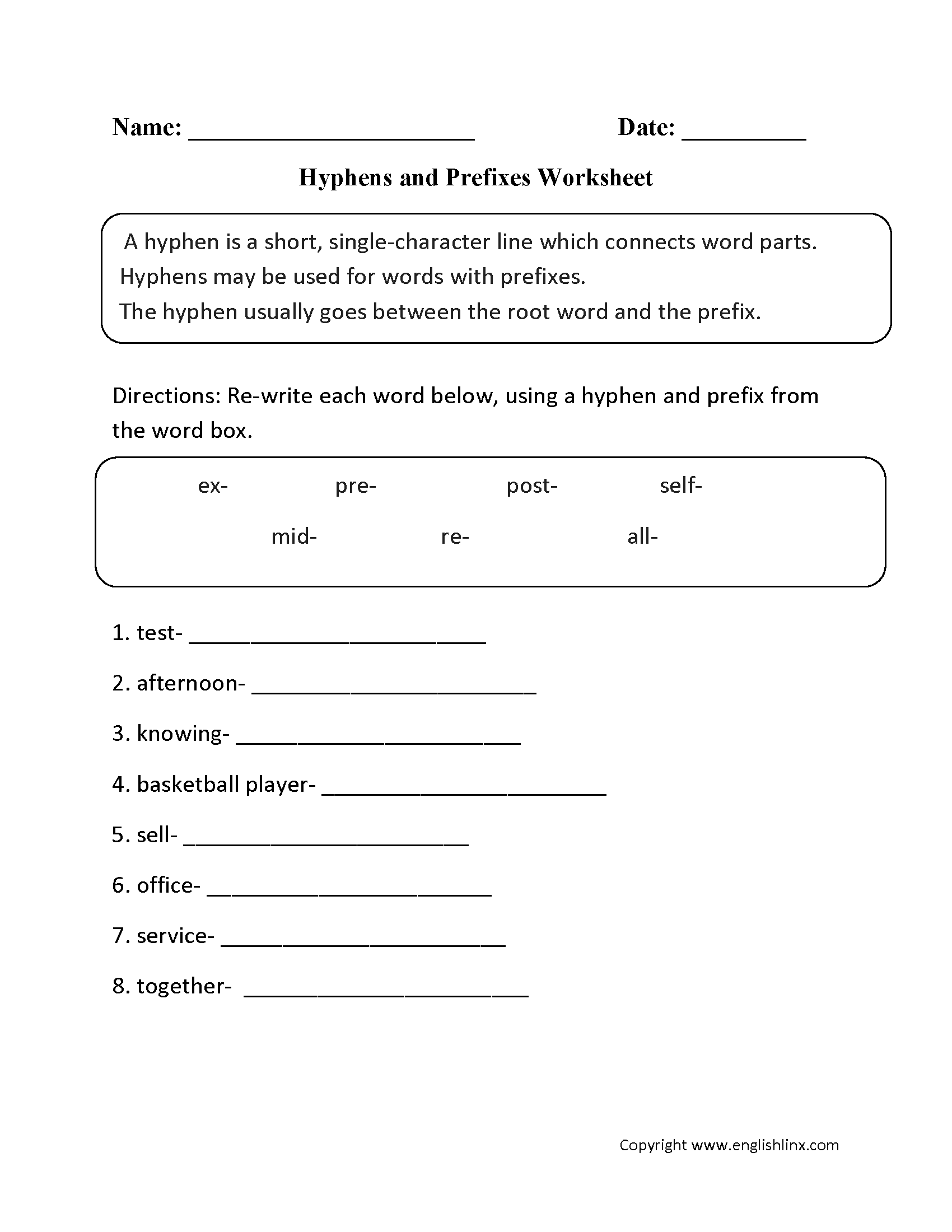
Punctuation Worksheets Hyphen Worksheets
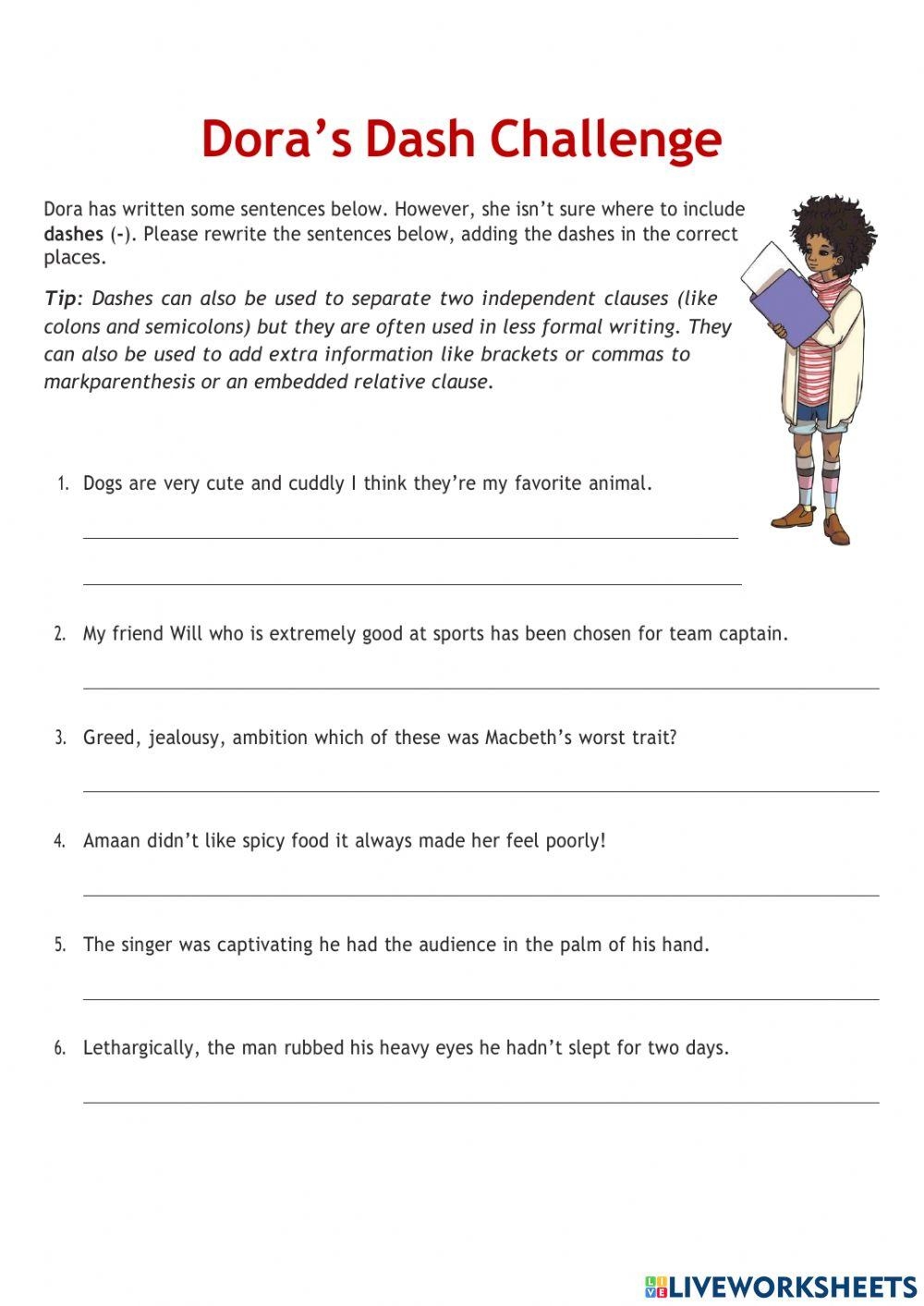
Hyphens Dashes Free Interactive Worksheets 956303
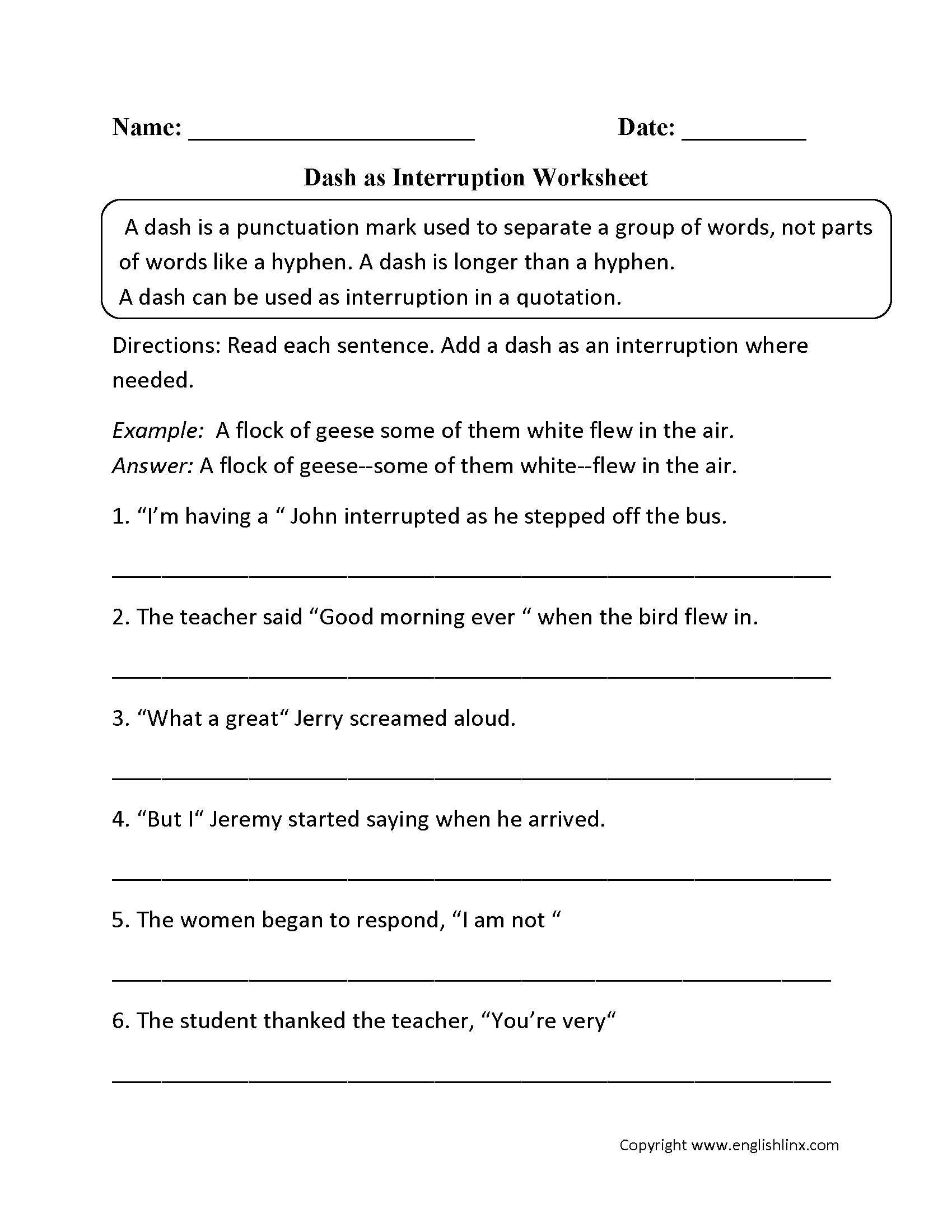
Punctuation Worksheets Dash Worksheets